
More than 10 million free school meals have been funded for state primary school children in the capital from the Mayor of London's £135m emergency funding due to the cost of living crisis.
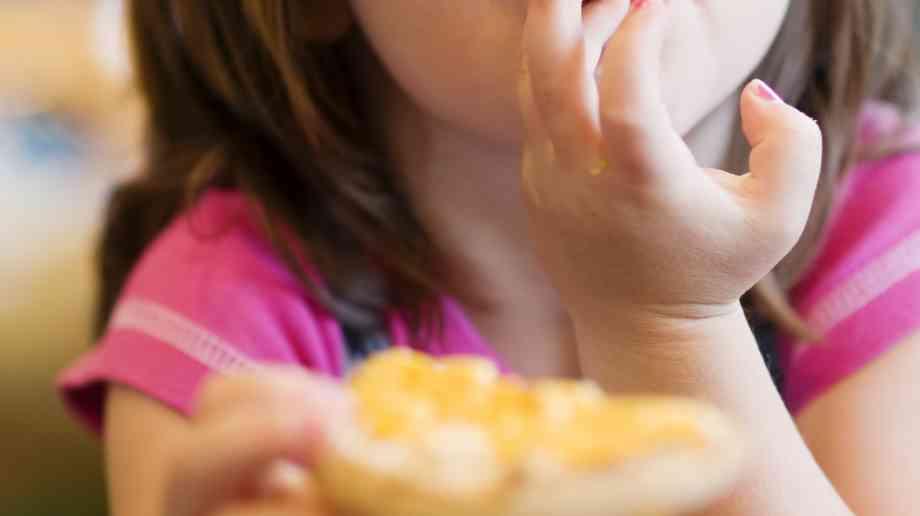
Free school meals have been provided to up to 287,000 children each day across London since the start of the school year in September.
It’s the first time ever that free school meals are available to all pupils in every year of state-funded primary schools, special schools and pupil referral units in the capital. Children in years 3 to 6 in primary school had previously only received free school meals if they lived in households on universal credit earning less than £7,400 a year – after tax and not including benefits, and regardless of the number of children in the family.
The Lynk Up Crew - a group of young advisers to the Mayor aged seven to 14 – will hand deliver a letter to Downing Street calling on the Prime Minister to provide permanent universal free school meals for primary school children across England.
The group of 50 young advisers are calling on Government to ensure every child receives a healthy meal at school every day – helping their health and wellbeing.
The Mayor of London, Sadiq Khan, said: “I’m proud to have already funded more than 10m free school meals since September to help hundreds of thousands of children and their parents across London. I know from personal experience what a lifeline these meals can be and how important it is that we are able to fund around 1.4m meals every week to help families as they cope with the cost-of-living crisis. I’m committed to doing all I can to support children as we build a better London for all, and will continue to urge Ministers to step forward with the necessary funding to ensure that all primary school children receive these vital meals on a longer-term basis.”