
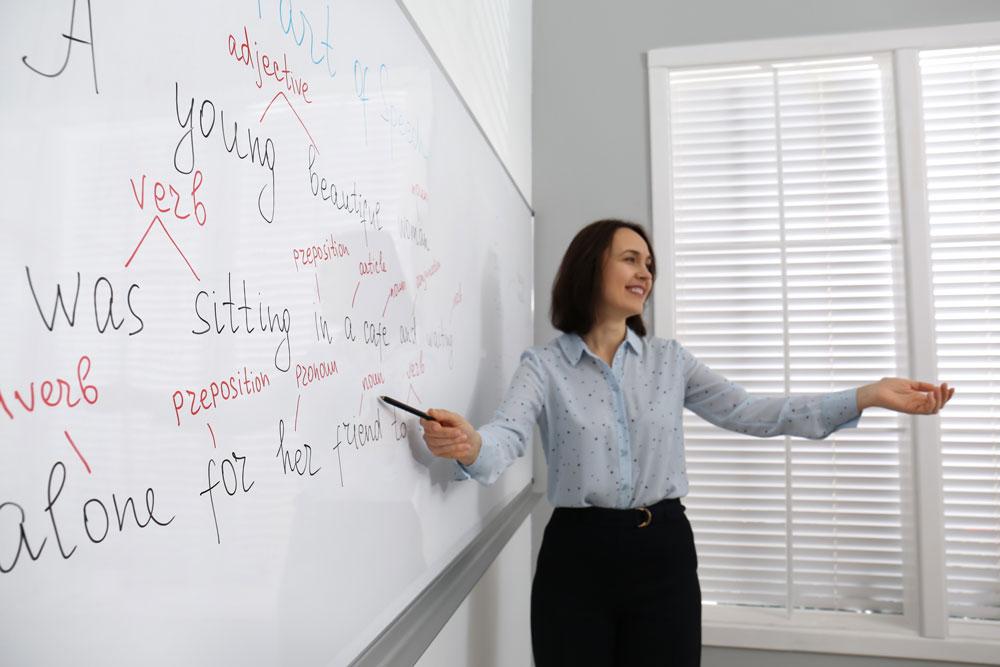
The Scottish government has provided Glasgow ESOL Partnership with £500,000 to benefit refugees, people seeking asylum, and other forced migrants with speaking English.
The classes will cover 800 learners and will help those who have been forced to rebuild their lives in Glasgow gain the language skills they need to establish themselves in Scotland and communicate with their new community.
Equalities minister Kaukab Stewart, on a visit to Glasgow Clyde College to meet those benefiting from the classes, said: “Scotland has a proud history of welcoming people of all nationalities and faiths, including those seeking sanctuary from war and persecution. We’re committed to help those who find refuge in Scotland to settle into their new communities.
“As a refugee or a person seeking asylum whose first language is not English, having the opportunity to learn English opens up a world of possibilities — from being able to interact confidently with people, to taking part in community events and making new friends. Learning English will also make the process of finding work easier, which I know is a key priority for many New Scots.
“It was great to visit Glasgow Clyde College to meet some of the people who are benefitting from these classes and hear about the real difference that language skills are making to their lives.”
This comes part of the 2025-26 Scottish Draft Budget, which will continue to support New Scots next financial year, helping refugees and asylum seekers to settle into communities across Scotland.