
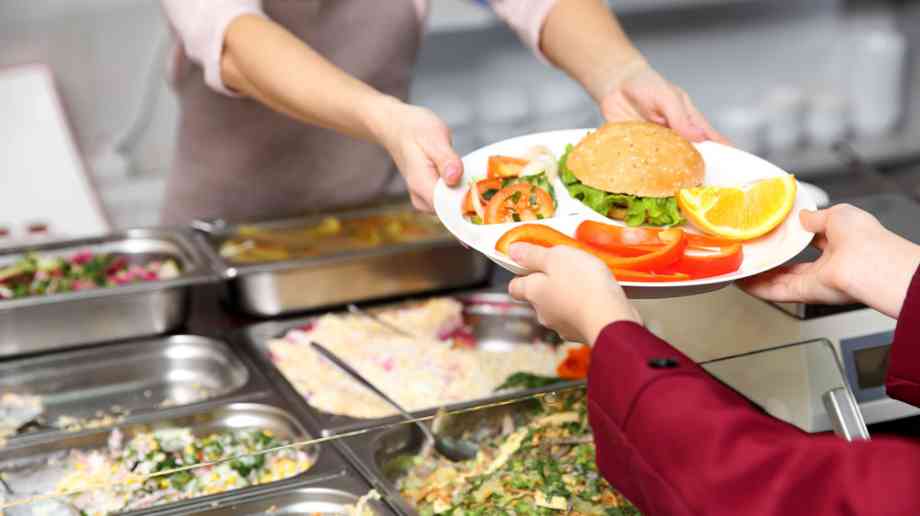
Rethinking what’s on the menu
As concerns grow over childhood obesity, ultra-processed diets and poor nutrition, schools are increasingly seen as key to improving children’s health. Initiatives to improve school meals – from boosting fruit and vegetable portions to reducing processed foods – are reshaping what’s on the school menu
Across the UK, the question of what children eat at school has become more important than ever. With rising rates of childhood obesity, poor diets and growing concern about the impact of ultra-processed foods, the quality of school meals is now recognised as a key factor in shaping both health and learning.
Nutritious, balanced meals at school can help children concentrate, support physical development and lay the foundations for lifelong healthy habits – yet evidence shows that many young people are still not getting the food they need.
On average, children consume too much sugar and too few fruits, vegetables, and wholegrains. This imbalance contributes to a range of health issues, including obesity, diabetes and poor mental wellbeing. Schools, which provide millions of meals each day, are seen as a critical place to make change happen.
Reforming school meal regulations
In Wales, one in four reception-aged children are classed as overweight or obese – a statistic that has sparked urgent calls for reform to school meal regulations in Wales. The Welsh Government has recently consulted on new proposals to update school food regulations for the first time in over a decade. These plans aim to increase the amount of fruit and vegetables on menus, limit sugary desserts and fried foods, and ensure that all school meals meet modern dietary standards. The initiative forms part of a broader “Healthy Weight: Healthy Wales” strategy, which seeks to make the healthy choice the easy choice for children and families.
At the same time, leading nutrition experts are calling for stronger action across the UK to reduce the presence of ultra-processed foods (UPFs) in schools. Professor Tim Spector, speaking at a House of Lords inquiry into diet, health and obesity last year recommended that no more than 10 per cent of food served in publicly funded institutions should be ultra-processed – a dramatic shift from current estimates showing that UPFs make up around 61 per cent of the energy intake from primary school meals. He warned that children need “real food” rather than industrially processed alternatives that disrupt healthy eating behaviours and fuel poor health outcomes.
The Soil Association has also urged governments to adopt a “whole school approach” to food, combining healthy menus with cooking lessons, farm visits, and hands-on food education.
Increasing plant-based meals
Public opinion is increasingly on the side of change. A recent YouGov survey commissioned by ProVeg UK found that nearly half of UK parents with children aged 3 to 18 support increasing plant-based meals in schools. Eighty-five percent said they want schools to do more to teach children about healthy eating.
Since 2018, ProVeg’s School Plates programme has already helped swap over 50 million meals in 12,000 schools to healthier, plant-based or meat-free options, showing how quickly progress can be made when schools and caterers work together.
Moving towards less processed, more plant-based school food has benefits that go beyond the lunch tray. It supports children’s health, helps reduce carbon emissions, and encourages food literacy – giving pupils the knowledge and curiosity to make informed choices about what they eat.
As schools, parents, and governments rethink what’s on the menu, it’s time to reconnect children with real food and make sure that every meal served in school is helping to build a healthier generation.
Latest News

29/01/2026 - 10:37
The Education Business Awards recognise the leadership, innovation, operational decisions and strategic planning that help schools run more effectively and deliver better environments for both staff and pupils.

29/01/2026 - 10:26
The Education and Work and Pensions Committees have launched a joint inquiry investigating how the Government’s new Child Poverty Strategy, announced last month, can meet its aims.
29/01/2026 - 09:23
Charity School Food Matters has released learnings from its school food improvement programme, Nourish, and has formed a roadmap to success for school food policy.

28/01/2026 - 09:57
Multi-academy trusts are increasingly turning to artificial intelligence to support teaching, learning and school management, but evidence of its impact remains limited, according to new research from the Education Policy Institute (EPI).

27/01/2026 - 10:04
The government is running a tender for industry to co-create AI tutoring tools with teachers, with the goal of bringing these tools to a similar level of quality of personalised one to one support.