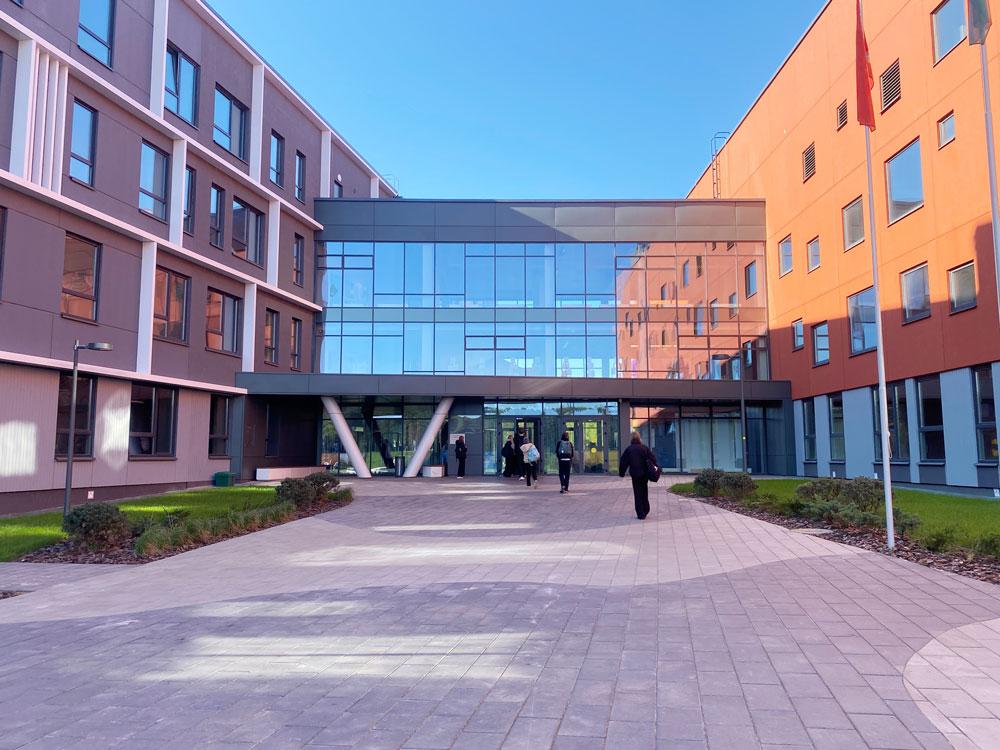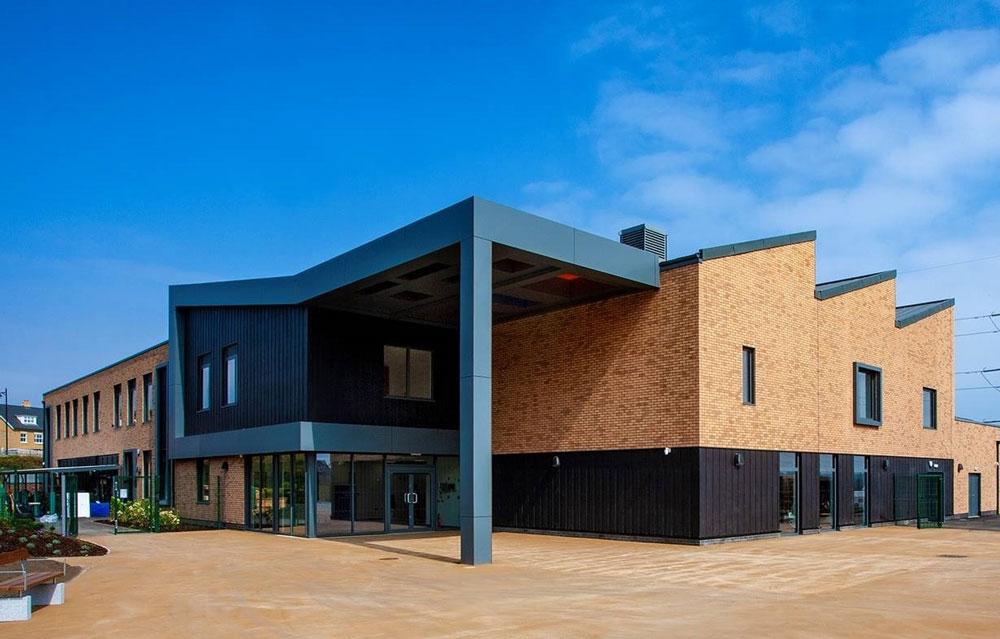

The government’s new Education Estates Strategy sets out a decade-long plan to rebuild, renew and modernise schools and colleges across England, with major investment aimed at creating high quality, safer, more inclusive and climate-resilient learning environments
The government has launched a new long-term strategy to modernise England’s education estate, backed by £38 billion in capital investment over the next decade. The Education Estates Strategy sets out an ambitious programme to improve, renew and rebuild schools and colleges so that children and young people can learn in high quality, safe, inclusive and climate-resilient environments.
At the heart of the strategy is a commitment to end what ministers describe as the “patch and mend” cycle that has left many schools grappling with deteriorating buildings, leaking roofs and ageing infrastructure. Instead, the government says it wants to deliver a more proactive and sustainable approach to estate management, while creating learning environments fit for modern education.
The strategy is built around three core pillars: managing the estate more effectively, improving and renewing existing buildings, and rebuilding facilities where needed most.
A decade of renewal
Education Secretary Bridget Phillipson described the plan as a “turning point” for schools and colleges across England. “For too long, schools and colleges have been forced to patch and mend buildings that have already deteriorated – spending their time worrying about leaking roofs instead of focusing on what matters most: giving every child the best possible education,” she said.
The investment package includes significant funding for maintenance, rebuilding, digital infrastructure and sustainability improvements, alongside measures designed to improve accessibility and inclusion for pupils with SEND.
Managing the estate more strategically
A key theme running through the strategy is the need for more effective estate management. The government plans to introduce clearer standards, improved data collection and new digital tools to help schools and responsible bodies take a longer-term approach to managing buildings and land.
Central to this will be the launch of a new digital platform, Manage Your Education Estate. The service will bring together estate guidance, funding programmes, data and tools in a single location, helping responsible bodies access support more easily and communicate directly with the Department for Education.
Schools and trusts will also be expected to provide annual returns demonstrating how they are meeting updated School Estate Management Standards, while pilots beginning in 2026-27 will test more consistent approaches to collecting estate data nationwide.
The government also wants schools to make better use of surplus land and underused buildings, particularly in areas experiencing falling pupil numbers. Pathfinders will explore how excess space could support wider community services, including family hubs, health services and youth provision.
Renewing ageing buildings
One of the most significant areas of investment is focused on improving the condition and resilience of existing buildings.
The government says it will invest almost £3 billion annually in maintenance and renewal funding by 2034-35, giving schools and colleges greater certainty for long-term planning. A new programme will replace the current Condition Improvement Fund from autumn 2028, removing the need for schools to submit complex funding bids.
Alongside this, a new £710 million Renewal and Retrofit Programme will tackle major condition issues such as leaking roofs, failing heating systems and flood resilience. The programme is designed to extend the life of school buildings by between 15 and 40 years, while also supporting decarbonisation and climate adaptation measures.
The rollout will begin in the East Midlands, Yorkshire and the Humber, and the South East from this spring, before expanding nationally by 2029.
Climate resilience is another major focus. New guidance and investment will support energy efficiency improvements, solar power installations and measures to address overheating and flooding risks. The government also plans to expand its Sustainability Support Programme to all education settings.
A more inclusive education estate
The strategy places strong emphasis on inclusion and accessibility, with ministers signalling a major shift towards more inclusive mainstream provision.
The government expects every secondary school to eventually provide an inclusion base, which are dedicated spaces offering targeted support for pupils who may struggle in busy classroom environments. These spaces, often already operating as SEN units or pupil support hubs, are intended to bridge the gap between mainstream and specialist provision.
Schools may create these areas through refurbishment or by repurposing existing classrooms, supported by new government guidance on adapting buildings for SEND provision.
To support wider accessibility improvements, the government has committed at least £3.7 billion in high needs capital funding between 2025-26 and 2029-30. This funding can be used by local authorities to adapt mainstream schools and expand specialist provision where required.
Digital infrastructure and connectivity
Recognising the increasing importance of digital learning, the strategy also includes £325 million to expand the Connect the Classroom programme and improve broadband connectivity in hard-to-reach schools.
An additional £300 million investment aims to help tackle the digital divide and ensure classrooms have the infrastructure needed to support modern teaching methods and technology-enabled learning.
Rebuilding schools for the future
The largest single area of investment is the School Rebuilding Programme, which will receive almost £20 billion through to 2034-35.
The programme aims to rebuild more than 750 schools and sixth-form colleges across England, prioritising buildings in the worst condition and areas where future pupil demand is expected to grow. More than 500 schools are already part of the programme, with a further 250 expected to be selected by early 2027.
New school buildings will be designed with sustainability, accessibility and adaptability in mind. Updated design standards will seek to improve air quality, increase access to outdoor space and nature, and create healthier learning environments overall.
The strategy also commits to permanently removing Reinforced Autoclaved Aerated Concrete (RAAC) from schools and colleges. By 2029, every education setting not undergoing full rebuilding is expected to be RAAC-free.
With the launch of this strategy, the government has shown its commitment to breaking the “patch and mend” cycle.